Cat Mom SVG: A Designer’s Embroidery Review
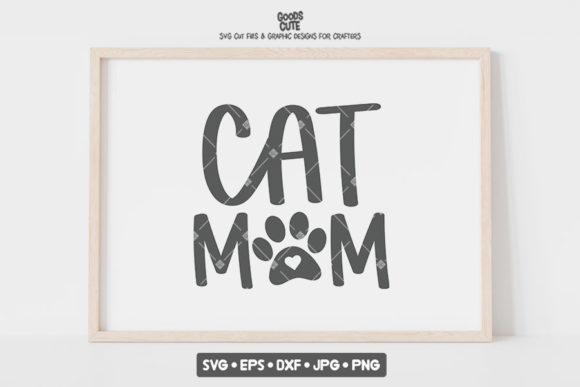
As a professional embroidery digitizer and product reviewer, I approach every new graphic asset with a critical eye. When I first opened the Cat Mom - SVG file, my immediate thought was not about how it looks on a screen, but how it will translate under the needle. This design is marketed primarily as a cut file for vinyl car decals and a sublimation asset for mugs, but for those of us in the Crafts and textile space, its potential as a foundation for a machine embroidery design is what truly matters. The visual personality is undeniable; it carries that perfect blend of whimsy and pride that resonates deeply with pet owners. However, transitioning a vector graphic optimized for vinyl into a successful embroidery project requires careful evaluation of line weight, detail density, and fabric compatibility.
Translating Vector Lines to Stitch Reality
The Cat Mom - SVG features clean, bold lines typical of high-quality Graphics intended for cutting plotters. For an Etsy seller or craft business owner, this is excellent news. Clean vectors are significantly easier to digitize than raster images because the paths are already defined. However, "clean" does not always mean "stitch-ready." In my assessment, the typography used in this design likely relies on uniform stroke widths. While beautiful in vinyl, this can be problematic if auto-digitized directly into a satin stitch. Satin stitches have width limitations; if the lettering is too thin, it may disappear into the fabric texture, and if it is too wide without proper column breaks, it risks thread breaks and puckering.
For a real-life application, I envision this design on a heavyweight canvas tote bag design. Totes provide a stable, non-stretchy surface that forgives minor digitizing imperfections. The bold aesthetic of the Cat Mom - SVG would serve as a fantastic base for an applique design. Instead of stitching out solid fill areas which increases production time and thread usage, I would recommend using the SVG outlines as placement guides for fabric applique. This technique reduces stitch density, keeps the finished product soft and flexible, and adds a premium, tactile value that customers appreciate in a handmade product.
Real-World Application: The Custom Sweatshirt Test
To truly evaluate this asset, let’s consider a specific scenario: creating a custom sweatshirt embroidery piece for a boutique holiday collection. Sweatshirts are fleece-backed and textured, making them unforgiving for tiny details. If I were using the Cat Mom - SVG for this custom apparel project, I would immediately assess the negative space within the lettering and any illustrative elements. Vinyl files often have intricate internal cutouts that look sharp at 12 inches but become mud when stitched at 4 inches.
In this sweatshirt context, I would modify the design to ensure all internal counters (the holes in letters like 'a', 'e', 'o') are enlarged by at least 15-20% during the digitizing phase. This prevents the fill stitch or satin columns from closing up after washing. Furthermore, because sweatshirts stretch, using the correct stabilizer is non-negotiable. A medium-weight cutaway stabilizer would be my choice here to support the design structure against the knit fabric. Without this adaptation, even the most beautiful SVG will result in a distorted, unprofessional finished product that damages customer trust.
Navigating Fabric Limitations and Hoop Constraints
While the Cat Mom - SVG is versatile, it demands respect for material limitations. As an experienced designer, I must caution against using this specific graphic style on sheer fabrics, lightweight performance wear, or highly textured terry cloth without significant modification. The design’s origin as a decal file suggests solid shapes and continuous lines. On thin fabric, heavy thread colors layered over solid fill areas can cause tearing or excessive stiffness. Conversely, on plush fabrics like towels or blankets, the fine details inherent in some "Cat Mom" illustrations may get lost entirely.
Hoop size selection is another critical factor. Just because a design fits within a 4x4 hoop technically does not mean it should be stitched there. Crowding a complex graphic into a small hoop often leads to registration issues and excessive hooping marks. For the best results with this digital embroidery file, I recommend utilizing a larger hoop to allow for adequate margin and stabilizer grip. If you are producing baby embroidery items where the design area is physically limited, simplify the Cat Mom - SVG. Remove secondary flourishes or reduce the text to just the core phrase to maintain clarity and safety.
Commercial Viability and Brand Consistency
For small shop product lines and commercial embroidery ventures, consistency is currency. The Cat Mom - SVG offers strong branding potential because of its distinct silhouette. It reads well in printable mockup previews, which is essential for online sales. However, before listing any item derived from this file, you must verify the licensing terms. The product description highlights use for vinyl and sublimation, but it does not explicitly confirm rights for digitizing and selling physical embroidered goods. As a responsible creative entrepreneur, never assume commercial embroidery rights are included with digital cut files. Clarifying this protects your business from future legal complications.
When used correctly, this design elevates the perceived value of personalized gift items. Whether applied to an embroidered patch, a kitchen tea towel, or a nursery pillow cover, the theme taps into a passionate niche market. Buyers engage more readily with products that reflect their identity, and "Cat Mom" is a powerful identifier. To maximize this engagement, ensure your execution matches the sentiment. Sloppy trimming, mismatched thread tension, or poor stabilizer choices will undermine the emotional connection the buyer seeks. Professionalism in the embroidery file preparation translates directly to buyer confidence.
Essential Pre-Stitch Checklist for Makers
Before committing the Cat Mom - SVG to your production queue, run through this practical checklist to ensure success across various applications:
- Test on Scrap Fabric First: Never stitch a new digitization directly onto a sellable garment. Use a scrap of the exact same material and stabilizer combination to check for puckering, registration errors, and thread breaks.
- Evaluate Thread Color Contrast: Test the design in both black-on-white and white-on-black configurations. Some details visible in the SVG may vanish if the thread color matches the fabric too closely.
- Inspect Small Details: Zoom in to 200% in your embroidery software. Any element thinner than 1mm may need to be converted to a running stitch or removed entirely to prevent needle damage.
- Verify Licensing: Confirm specifically that the license covers machine embroidery for commercial sale, not just vinyl or sublimation.
- Check Washability: If creating items like aprons or baby clothes that require frequent laundering, ensure the stitch density is balanced to withstand agitation without distorting.
- Mockup Validation: Create realistic digital previews showing the design on the actual product type. This helps identify proportion issues before physical sampling.
The Cat Mom - SVG is a promising asset for the modern maker, bridging the gap between digital crafting and textile art. Its clean geometry provides a solid foundation for embroidery, provided the user respects the differences between cutting vinyl and stitching thread. By approaching this design assets with technical mindfulness and creative adaptation, you can transform a simple graphic file into a profitable, professional-grade embroidery project that delights cat lovers everywhere. Remember, the quality of your finished product is defined not just by the design you choose, but by the expertise you apply in bringing it to life.