Chaos Coordinator Mom SVG: An Embroidery Review
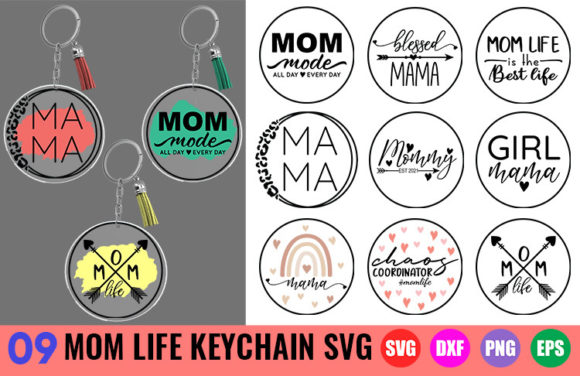
As a professional digitizer and product reviewer, I approach every new graphic with a specific question: will this actually stitch out well on fabric? When evaluating the Chaos Coordinator, Mom Life SVG, Mom SVG, my focus shifts immediately from screen to hoop. This design carries a relatable, humorous sentiment that resonates deeply with parents, but translating digital vectors into thread requires careful consideration of structure, density, and end-use application. In the world of Crafts and Graphics, a file might look perfect on a monitor yet fail on textured terry cloth or stretchy jersey knit. My assessment below breaks down how this specific mom life design performs in real-world embroidery scenarios, offering practical judgment for makers and business owners.
First Impressions and Design Personality
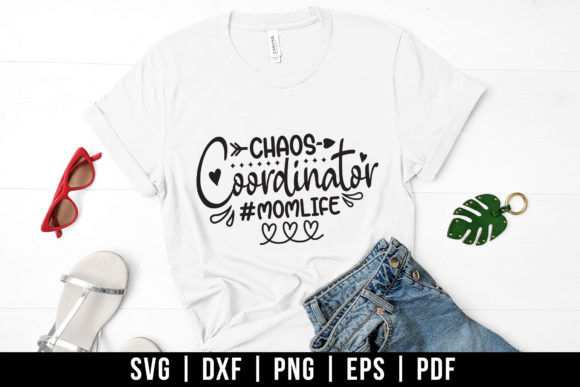
The visual mood of the Chaos Coordinator concept is inherently playful yet organized. It strikes a balance between chaotic energy and maternal authority, which makes it an excellent candidate for custom apparel and personalized gifts. From a design perspective, the layout typically features bold typography paired with illustrative elements that suggest multitasking or affectionate disorder. For an embroidery designer, this personality dictates the stitching strategy. The font choice is critical; if the SVG uses a thin, handwritten script, it may require modification to support a proper satin stitch column. Conversely, blockier fonts translate more reliably into dense fill areas without risking puckering on lighter fabrics.
The shape and negative space within the design are equally important. A successful machine embroidery design must breathe. If the Chaos Coordinator graphic is overly dense with intricate details packed tightly together, it risks creating a bulletproof patch of thread that distorts the garment. I look for open spaces that allow the fabric texture to show through, ensuring the finished product remains soft and wearable rather than stiff and heavy.
Real-World Application: The Tote Bag Test
To truly evaluate this asset, I mentally place it in a specific production scenario: creating a branded canvas tote bag for a boutique or Etsy shop. Tote bags are a staple for Etsy sellers and small shop products because they offer a large, stable canvas for tote bag design. Canvas is forgiving, but it also has a distinct weave that can swallow fine details.
In this scenario, the Chaos Coordinator design serves as the focal point. I would likely utilize a combination of stitches to create depth. The main text could be executed in a raised satin stitch to provide tactile contrast against the flat canvas, while smaller accent elements might use a running stitch or light fill stitch to keep the overall weight manageable. Because tote bags are functional items subject to wear, the stitch density must be sufficient to cover the fabric completely without gaps, yet not so dense that needles break or the fabric tunnels. This design’s theme aligns perfectly with the utility of a tote bag, making it a high-value addition to any craft business inventory targeting mothers who need durable, stylish organization tools.
Navigating Fabric Challenges and Hoop Limitations
While canvas is ideal, many crafters want to apply this digital embroidery file to more challenging substrates. Here is where practical caution is necessary. If you plan to use this for baby embroidery on onesies or sweatshirt embroidery, you must account for stretch. Knit fabrics move; thread does not. Without adequate stabilization, the Chaos Coordinator design will distort during washing. I always recommend testing on scrap fabric first, using a cut-away stabilizer for knits to maintain registration.
Be mindful of hoop size constraints. Some versions of mom life graphics include extensive subtext or decorative borders. If your machine only accommodates a 4x4 hoop, verify that the design scales down legibly. Tiny lettering often fails in embroidery; serifs disappear and loops close up. If the details are too fine for your smallest needle, consider splitting the design or removing non-essential elements. Additionally, dark fabrics present their own hurdle. If the design relies on subtle shading or light-colored outlines, it may vanish on navy or black material. Always test thread colors against your specific fabric background before committing to a full production run.
Textured surfaces like caps or terry cloth towels also demand attention. Curved cap fronts can cause distortion in wide designs. If applying this to a hat, ensure the aspect ratio fits the curved frame without flattening. For tea towels or blankets, the pile of the fabric can obscure running stitches. Using a water-soluble topping is essential here to keep the stitches visible and crisp.
Commercial Viability and Professional Presentation
For commercial embroidery ventures, consistency builds trust. Customers expect clean edges, proper tension, and professional finishing. The Chaos Coordinator theme sells well because it validates the customer's experience, but poor execution undermines that connection. A messy stitch-out suggests low quality, regardless of how clever the phrase is. When listing this as a handmade product, your photos should reflect the actual stitched outcome, not just a digital mockup. Buyers need to see how the thread interacts with the fabric.
Value perception is tied directly to technical execution. A well-digitized version of this design adds perceived value to a simple sweatshirt or apron. It transforms a blank commodity into a relatable statement piece. However, you must confirm licensing terms before selling. Just because a file is labeled as an SVG for crafts does not automatically grant commercial embroidery rights. Verify whether the license covers physical goods, digital resale, or both. Protecting your business means respecting intellectual property and ensuring your design assets are cleared for your intended revenue stream.
Essential Designer Notes for Success
Before loading this file into your machine, run through this practical checklist to ensure a professional result:
- Verify File Compatibility: Confirm the provided formats match your machine. While SVG is great for vinyl and cutting, embroidery machines require DST, PES, EXP, or similar stitch files. Do not assume an SVG auto-converts perfectly without manual digitizing adjustments.
- Test Stitch Density: Run a sample on your target fabric. Check the back of the embroidery; excessive bobbin thread showing on top indicates tension issues or density problems.
- Evaluate Contrast: Create a black-and-white printable mockup to assess value separation. If the design looks muddy in grayscale, it will lack definition in thread.
- Check Small Details: Inspect any text under 5mm height. Consider enlarging these elements or switching to a simpler font to prevent thread breaks and illegibility.
- Stabilizer Selection: Match your backing to the fabric weight. Use tear-away for stable wovens and cut-away for stretchy knits. Never skip stabilizer to save money; it compromises the entire project.
- Wash Testing: If selling baby items or kitchen textiles, wash your test swatch. Shrinkage and fraying reveal weaknesses that fresh embroidery hides.
The Chaos Coordinator, Mom Life SVG, Mom SVG offers tremendous potential for connection and commerce when treated with technical respect. By understanding its behavior across different fabrics and applications, you elevate it from a simple graphic to a premium embroidered product. Whether you are crafting a holiday gift, stocking an Etsy shop, or fulfilling custom orders, let practical testing guide your creative decisions. The best embroidery marries sentiment with craftsmanship, ensuring the final piece is as enduring as the message it carries.