Mom SVG Bake Someone Happy: Embroidery Review
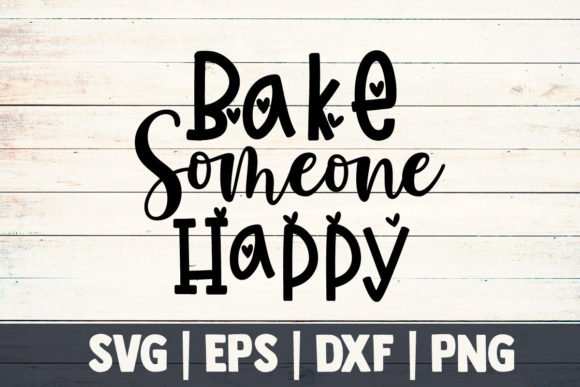
As a professional embroidery designer and product reviewer, I approach every new digital asset with a critical eye toward stitchability. When evaluating the Mom Svg, Bake Someone Happy design, my first thought isn't just about how pretty the vector looks on screen, but how it will translate into thread on fabric. This specific artwork, described as a rustic t-shirt design with hand-drawn lettering and calligraphy elements, presents a unique set of opportunities and challenges for machine embroidery. While the product listing highlights its compatibility with Cricut and Silhouette cutters via SVG files and includes EPS 10 formats, those of us in the embroidery space know that converting graphics to stitches requires careful consideration of line weight, spacing, and fabric interaction.
First Impressions: Rustic Charm Meets Stitch Reality
The visual personality of Mom Svg, Bake Someone Happy is undeniably warm. The phrase evokes nostalgia and domestic comfort, making it an instant contender for kitchen textiles and maternal gifts. The "hand-drawn" aesthetic suggests organic lines rather than rigid geometry, which is excellent for creating a handmade product feel. However, in embroidery, hand-drawn often means variable line widths. As I reviewed the graphic structure, I immediately began mentally mapping out stitch types. Thin, sketchy lines in the vector file might require a running stitch or a bean stitch to maintain that rustic look without breaking needles. Thicker calligraphy strokes would naturally call for a satin stitch or a specialized fill stitch to capture the boldness of the lettering.
The layout appears balanced for center-chest placement or tote bag centrality. For an Etsy seller or small shop owner, this design has high giftability. It strikes that perfect emotional chord for Mother’s Day, birthdays, or housewarmings. But before listing a finished product, we must assess technical viability. The isolated white background mentioned in the description is helpful for digitizing software import, ensuring clean edges when auto-tracing, but manual cleanup will likely be necessary to prevent jagged stitch edges that ruin the professional finish.
Real-World Application: The Custom Apron Test
To truly judge this design, I envisioned a real-life scenario: creating a custom embroidered apron for a client who runs a home bakery. Aprons are typically made from medium-weight cotton or canvas, providing a stable base for embroidery. In this context, Mom Svg, Bake Someone Happy serves as both branding and sentimental decor. I considered placing the design on the upper bib section. Because aprons endure frequent washing and high heat, stitch density becomes paramount. A design meant for vinyl cutting might have gaps that work for adhesive but fail in thread.
If using this as an applique design, the rustic lettering could be filled with gingham or floral fabric to enhance the "bake someone happy" theme. This reduces stitch count significantly while adding texture. However, if stitching directly onto the apron, I would recommend testing the design on scrap fabric first. Canvas can be unforgiving; if the calligraphy details are too fine, they may get lost in the weave. Conversely, if the satin stitches are too wide without proper underlay, they risk snagging during use. For this project, verifying that the embroidery file has adequate pull compensation is essential to keep the letters from shrinking and distorting after laundering.
Navigating Fabric Choices and Hoop Constraints
Versatility is key for commercial embroidery and craft business sustainability. While this design shines on stable woven fabrics, caution is required elsewhere. If you plan to use Mom Svg, Bake Someone Happy on stretchy knit sweatshirts or baby clothes, the stabilizer choice is non-negotiable. Knits move; thread does not. Without a heavy-duty cut-away stabilizer and perhaps a topping for textured fleece, the hand-drawn lettering could pucker severely, destroying the rustic charm and making the garment unwearable.
Hoop size limitations also dictate usage. Intricate calligraphy often suffers when scaled down for small hoops like 4x4 inches. Before committing to a baby onesie or cap project, measure the smallest legible text element. If the lettering height drops below 6mm, standard embroidery machines may struggle to form clean satin columns. In such cases, this design might be better suited for larger items like pillow covers, tea towels, or blanket corners where the detail can breathe. Dark fabrics present another variable; ensure the digitized version includes sufficient underlay to prevent the fabric color from bleeding through light-colored threads, which is especially important for maintaining contrast in calligraphy designs.
Designer Notes for Professional Results
For fellow makers and apparel decorators looking to integrate this asset into their workflow, here are practical considerations derived from experience:
- Verify File Compatibility: The listing specifies SVG and EPS 10. These are vector graphics, not native embroidery files (like PES, DST, or JEF). You must have digitizing software to convert this art into a machine embroidery design. Do not assume it is ready-to-stitch out of the box.
- Check Licensing Terms: Before selling finished products or offering the digitized version as a digital embroidery file, confirm the commercial license. Protect your business by understanding exactly what rights you have purchased.
- Test Stitch Density: Hand-drawn styles can vary wildly in density. Run a test sew-out to check for thread buildup. If areas are too dense, edit the file to reduce stitch count; this saves time, thread, and prevents stiff results.
- Mockup Strategy: Use printable mockups to visualize placement before hooping fabric. Compare the design against both light and dark backgrounds digitally to anticipate thread color needs.
- Thread Color Contrast: Rustic designs often utilize muted tones. Ensure your chosen thread colors provide enough contrast against the garment so the message remains readable from a distance.
Elevating Product Value Through Technical Precision
Ultimately, the success of Mom Svg, Bake Someone Happy in a commercial or personal setting hinges on execution. A beautifully digitized version of this design elevates perceived value. Customers trust sellers whose embroidery looks intentional and durable, not messy or rushed. When the stitch direction follows the natural flow of the calligraphy, and the tension is balanced, the result is a premium handmade product that justifies a higher price point.
For creative entrepreneurs, this design offers strong brand consistency potential across multiple product lines. Imagine matching tea towels, tote bags, and sweatshirts all featuring the same cohesive typography. This recognition builds buyer engagement and encourages repeat purchases. However, always remember that digital artwork is merely the blueprint. Your expertise in selecting the right stabilizer, adjusting tension, and choosing appropriate fabrics is what transforms a simple SVG into a cherished personalized gift. By treating Mom Svg, Bake Someone Happy with technical respect and creative foresight, you ensure that every stitched piece truly bakes someone happy, one quality seam at a time.