Mom Svg, Boy Maker: An Embroidery Design Review
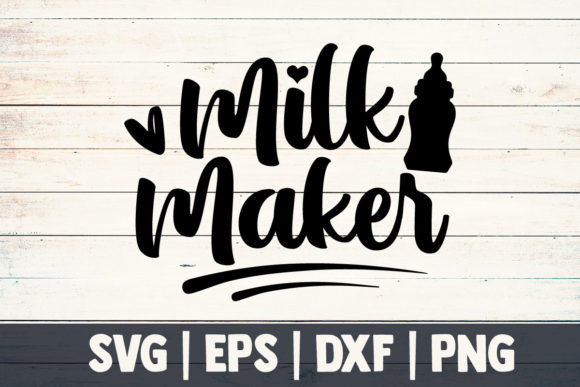
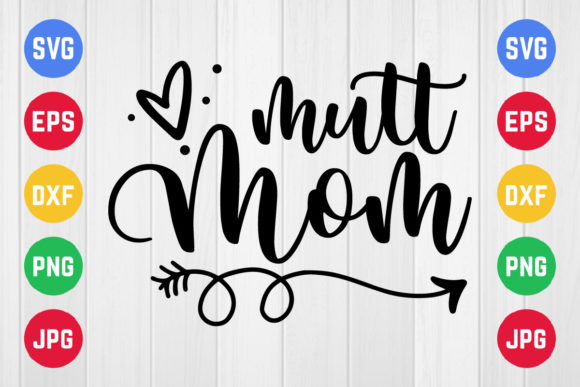
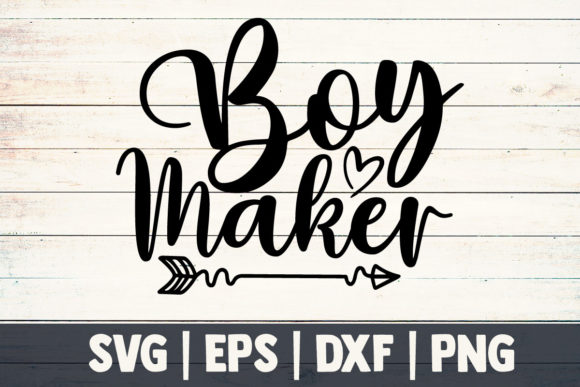
As a professional embroidery designer and product reviewer, I approach every new digital asset with a critical eye. When evaluating the Mom Svg, Boy Maker design, my first thought isn't just about how it looks on a screen, but how it will translate through a needle and thread. This hand-drawn lettering phrase carries a distinct, organic personality that sets it apart from rigid, computer-generated fonts. The calligraphy style suggests warmth and approachability, making it an immediate contender for personalized gifts and boutique apparel. However, moving from a vector graphic to a stitched reality requires careful consideration of stitch types, fabric interaction, and commercial viability.
First Impressions and Visual Personality
The initial appeal of this graphics asset lies in its hand-drawn aesthetic. In the world of machine embroidery design, perfection can sometimes feel sterile. The slight imperfections and fluid lines in this calligraphy t-shirt design evoke a sense of handmade authenticity that customers actively seek. Visually, the layout feels balanced yet playful, avoiding the boxy structure of standard block text. This organic flow creates a mood that is nurturing and modern simultaneously.
For an Etsy seller or small shop owner, this visual personality is a significant asset. It doesn't look like a generic clip-art purchase; it looks like custom artwork. When I assess design assets for commercial embroidery projects, I look for versatility. This design strikes a balance between being specific enough to resonate with mothers and stylish enough to serve as a fashion statement rather than just a novelty label. The isolation on a white background in the source file also hints at clean digitizing potential, assuming the conversion to embroidery format maintains these crisp edges.
Real-World Application: The Sweatshirt Test
To truly judge this design, I mentally placed it in a real-life scenario: creating a premium crewneck sweatshirt for a Mother’s Day capsule collection. Sweatshirt embroidery presents unique challenges due to the fleece texture and fabric weight. A delicate running stitch might get lost in the nap of the fabric, while an overly dense satin stitch could cause puckering or create a bulletproof patch effect.
In this context, the Mom Svg, Boy Maker design would likely perform best as a combination of fill stitch and satin stitch elements. If the lettering is bold, a tatami fill with a light density would allow the garment to remain soft and wearable. For thinner script lines, a bean stitch or triple run stitch would provide better coverage and durability than a standard running stitch. As a crafter preparing this for a client, I would envision placing the design slightly above the center chest or centered on the back yoke. These placements respect the garment's construction and ensure the embroidery remains visible without distorting when worn.
For a tote bag design or apron project, the application shifts. Cotton canvas and twill are stable fabrics that handle higher stitch density beautifully. Here, the hand-drawn nature of the phrase allows for creative thread color choices. Instead of standard black, using a variegated thread could enhance the sketch-like quality of the calligraphy, adding depth and value to the finished product. This level of customization is what separates a high-end handmade product from mass-produced merchandise.
Navigating Fabric Limitations and Hoop Sizes
While versatile, this design requires caution depending on the substrate. I always advise testing on scrap fabric first, especially when working with stretchy knits or textured surfaces. If you plan to use this for baby embroidery on onesies or lightweight cotton, the stabilizer choice becomes paramount. A heavy cut-away stabilizer is often necessary to prevent the calligraphy from pulling the fabric, which would ruin the drape of a tiny garment.
Hoop size is another critical factor. Before purchasing or stitching, you must confirm the dimensions of the embroidery file against your available hoops. Calligraphy designs often have wide aspect ratios. If the design exceeds your maximum hoop width, you may need to split the design or resize it. Be aware that resizing vector-based SVGs is seamless, but resizing digitized embroidery files can distort stitch density and spacing. Always check the original specifications provided by the creator.
Dark fabrics present their own set of challenges. Hand-drawn lettering often relies on line weight for character. On dark backgrounds, if the stitch count is too low, the fabric color will bleed through, making the design look muddy. Conversely, adding too much underlay to compensate can make the design stiff. For dark apparel, I recommend testing a sample to ensure the thread colors pop sufficiently against the background without compromising the garment's hand-feel.
Commercial Viability and Professional Presentation
For creative entrepreneurs and craft business owners, the value of Mom Svg, Boy Maker extends beyond the stitch-out. It serves as a foundational element for brand consistency. Using cohesive typography across printable mockups, social media posts, and actual embroidered patches builds recognition. When listing items on Etsy, professional mockups that accurately represent the stitch texture build customer trust. Buyers want to see how the calligraphy interacts with the fabric grain, not just a flat digital overlay.
However, professionalism also means understanding licensing. Since this is a digital artwork ready for immediate use, verify whether the license permits commercial embroidery of finished products versus selling the digital file itself. Most designers allow you to sell physical items like custom apparel or holiday embroidery gifts but prohibit reselling the unaltered digital embroidery file. Clarifying this protects your business and respects the original artist.
Essential Designer Notes for Success
Before loading this design into your machine, consider these practical checkpoints derived from years of production experience:
- Verify File Compatibility: Ensure the embroidery file format matches your machine. While the product includes EPS 10 and SVG for cutting machines, confirm you have the correct digitized embroidery format (e.g., PES, DST, JEF) before starting.
- Stitch Density Check: Open the file in your embroidery software to inspect density. If the calligraphy looks too dense for your chosen fabric, reduce the density or increase stitch length to prevent stiffness.
- Contrast Testing: Always test thread colors against the actual fabric swatch. What looks good on a monitor may lack contrast in real life, especially with pastel threads on white fabric.
- Stabilizer Strategy: Match stabilizer to fabric weight. Use tear-away for stable wovens like canvas tote bags, and cut-away for stretchy knits used in sweatshirt embroidery or baby clothes.
- Mockup Accuracy: When creating digital product previews, use realistic textures. Showing the design on a wrinkled linen pillow cover or a fuzzy fleece blanket helps buyers visualize the final handmade product more accurately than a flat white background.
- Washability Consideration: If this is for tea towels or baby items requiring frequent washing, ensure all decorative accents are securely anchored. Running stitches should have adequate tie-ins to prevent unraveling over time.
Elevating the Finished Product
Ultimately, Mom Svg, Boy Maker offers a strong foundation for meaningful embroidery projects. Its hand-drawn charm provides a human touch that resonates deeply in the current market. Whether you are creating a personalized gift for a new mother, stocking your shop with trendy mama apparel, or designing branded merchandise for a parenting blog, success lies in the execution. By respecting the interplay between digital art and textile physics, you transform a simple graphics file into a cherished, tangible keepsake. Remember that in embroidery, the difference between a good design and a great finished product is almost always found in the testing, stabilizing, and thoughtful adaptation to the material at hand.