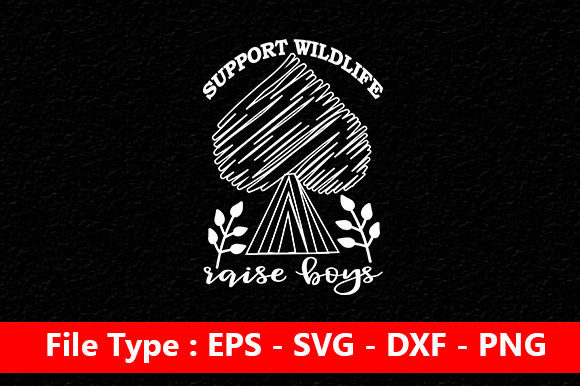
Mom SVG Design: Support Wildlife & Raise Boys Review
As a professional embroidery designer and product reviewer, I approach every new graphic asset with a critical eye toward stitchability and marketability. When evaluating the Mom Svg Design, Support Wildlife, Raise collection, my primary focus is not just on the digital aesthetic but on how these vectors translate into tangible, high-quality embroidered goods. This design set, which bridges the gap between motherhood, nature conservation, and boy-mom culture, offers unique opportunities for crafters and small business owners. However, moving from a screen to fabric requires careful consideration of technical execution and end-use application.
First Impressions: Visual Mood and Stitch Potential
Upon opening the files, the immediate impression of this machine embroidery design collection is one of rustic warmth and purposeful messaging. The layout typically balances organic, wildlife-inspired elements with bold, readable typography. For an embroidery digitizer or crafter, this balance is crucial. Designs that are too text-heavy can become stiff on garments, while those with excessive detail may lose clarity when scaled down. This specific design feels grounded; it suggests a natural affinity for canvas tote bags, unstructured caps, and heavyweight sweatshirts rather than delicate silks or performance wear.
The visual personality leans heavily into the "outdoor family" niche. It does not feel like generic clip art; instead, it carries a narrative weight that appeals to buyers looking for meaningful personalized gifts. From a production standpoint, the separation of elements in the provided EPS, SVG, PNG, and DXF files allows for flexibility. If you are creating an applique design, the distinct shapes make it easier to assign fabric pieces without overwhelming the final piece with unnecessary fill stitches.
Real-World Application: The Custom Tote Bag Test
To truly understand the viability of this asset, I mentally prototyped a custom embroidered tote bag intended for a boutique client targeting eco-conscious mothers. In this scenario, the Mom Svg Design, Support Wildlife, Raise serves as the centerpiece. A tote bag provides a stable, flat surface ideal for testing stitch density and registration.
In this real-life case, I would utilize the SVG file to create a multi-layered appliqué using natural linen and cotton fabrics. The "Support Wildlife" aspect lends itself beautifully to textured fills or raw-edge appliqué techniques, giving the finished product a handmade, artisanal quality that commands a higher price point than standard satin stitch lettering. The "Raise Boys" component acts as the emotional hook. When stitched out on a 12oz canvas tote, the design needs to maintain legibility from a distance while offering interesting texture up close. This specific graphic set performs well here because the line weights appear substantial enough to hold a satin border without sinking into the coarse fabric weave, provided the correct stabilizer is used.
Technical Performance Across Different Substrates
Versatility is key for any Etsy seller or craft business owner managing inventory. This design set shows promise across several categories, but performance varies by substrate:
- Sweatshirt Embroidery: This is likely the strongest use case. Fleece and French terry fabrics provide excellent backing for detailed graphics. The design’s theme aligns perfectly with the cozy, casual nature of crewnecks and hoodies. Ensure you use a cut-away stabilizer to prevent puckering around the lettering.
- Baby Embroidery: While the "Raise Boys" theme fits nursery decor, caution is needed for actual baby clothes. Onesies and bibs have limited space. You must verify if the design can be resized without losing integrity. Small details in wildlife illustrations may turn into thread blobs if reduced below 4 inches.
- Caps and Hats: Curved surfaces are challenging. If the design includes wide horizontal text, it may distort on a structured cap. This graphic works best on unstructured "dad hats" or bucket hats where the fabric yields to the hoop.
- Kitchen Textiles: Tea towels and aprons are excellent commercial embroidery projects for this theme. The cotton twill commonly used in these items holds crisp edges well, making the wildlife motifs pop.
Navigating Fabric Limitations and Hoop Constraints
While the Mom Svg Design, Support Wildlife, Raise is versatile, it demands respect for material limitations. Experienced makers know that a beautiful vector file can fail on the wrong fabric. Avoid using this design on sheer, stretchy knits, or loosely woven gauze unless you are employing heavy-duty stabilization and potentially a water-soluble topping. The density required to render wildlife details clearly will likely cause tunneling or tearing on lightweight bases.
Furthermore, consider your hoop size before committing to a project. Complex designs combining text and illustration often require larger hoops to avoid excessive re-hooping or alignment issues. If you are working with a standard 4x4 hoop, check whether the design assets can be legally and technically split. Always confirm the licensing terms included with your purchase regarding modifications and commercial use of the digital embroidery file before listing finished products.
Impact on Product Value and Customer Trust
In the competitive landscape of handmade goods, presentation dictates perceived value. A clean, professional stitch-out of this design signals competence to the buyer. When the "Support Wildlife" message is rendered with precise registration and appropriate thread tension, it elevates the item from a simple craft to a premium boutique product. Conversely, poor execution—such as gapping between the appliqué fabric and the satin outline—can undermine the environmental message by making the product look disposable.
For digital product sellers and Etsy sellers, this design also impacts your online presence. Because the package includes PNG files, you can create high-quality printable mockups without needing to stitch every variation. However, I strongly advise stitching at least one physical sample. Customers trust sellers who show real photos of the finished product alongside digital renders. Seeing the actual thread texture against fabric builds confidence that the embroidery project will meet expectations.
Essential Designer Notes for Successful Execution
Before launching a new product line featuring Mom Svg Design, Support Wildlife, Raise, adhere to these practical protocols to ensure quality and safety:
- Test Stitch Mandatory: Never run this design directly onto a sellable garment first. Use scrap fabric of similar weight and texture to check for registration errors or density issues.
- Thread Color Contrast: Wildlife themes often rely on earth tones. Test these against both light and dark backgrounds. Low contrast can make intricate details disappear in photographs and in person.
- Stabilizer Selection: Match your stabilizer to the fabric, not just the design. Cut-away for knits, tear-away for stable wovens, and wash-away for napped fabrics like fleece.
- Detail Inspection: Zoom in on the digital file to identify tiny elements. If a leaf or animal feature is smaller than 2mm, consider simplifying it manually to prevent needle breaks or thread nests.
- Licensing Verification: Explicitly check if the license covers both physical sales and digital mockup usage. Protect your business by understanding exactly what rights you have purchased.
- Wash Testing: If selling items meant for frequent laundering like aprons or baby bibs, wash your test swatch. Ensure the satin stitch borders and fill stitch areas hold up without fraying.
Ultimately, the Mom Svg Design, Support Wildlife, Raise is a robust asset for makers who value storytelling in their work. By treating it with technical diligence and creative intention, you can transform these digital files into cherished, high-value embroidered goods that resonate deeply with your target audience. Whether you are producing holiday embroidery gifts or stocking your shop with evergreen apparel, success lies in the thoughtful intersection of design aesthetics and embroidery mechanics.