Mom SVG: You Had Me at Shiplap Review
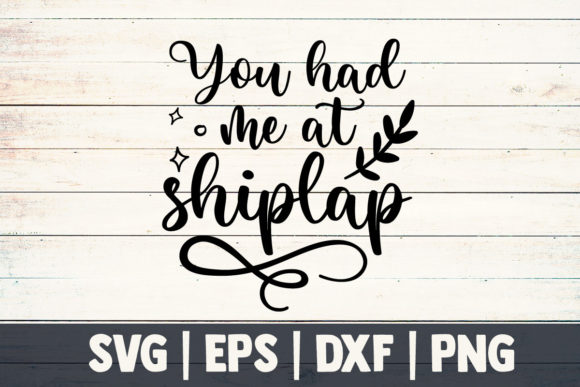
As a professional embroidery digitizer and product reviewer, I approach every new graphic with a specific question: will this actually stitch out well on fabric? When evaluating the "Mom Svg, You Had Me at Shiplap" design, my first impression is that it captures a very specific aesthetic niche perfectly. The hand-drawn lettering and rustic calligraphy evoke a warm, farmhouse charm that is incredibly popular in current handmade markets. However, translating a vector graphic intended for cutting machines into a successful machine embroidery design requires careful consideration of stitch physics and fabric interaction.
This digital artwork is marketed primarily as an SVG for Cricut and Silhouette users, featuring isolated elements on a white background. For those of us in the embroidery space, this means we are likely working with an EPS 10 file or converting the vector paths ourselves. The visual personality of this design is soft yet structured, making it ideal for personalized gifts and custom apparel. But before you hoop up your stabilizer, let’s discuss how this design performs in real-world production scenarios and where you need to exercise caution to maintain professional quality.
Real-World Application: The Custom Tote Bag Test
To truly understand the viability of Mom Svg, You Had Me at Shiplap, I mentally placed it onto a canvas tote bag project for a Mother’s Day boutique collection. Tote bags are a staple for Etsy sellers and craft business owners because they offer a flat, stable surface for embroidery. In this scenario, the rustic theme of the design aligns perfectly with natural cotton canvas or linen textures.
When visualizing this as a tote bag design, the hand-drawn phrase serves as an excellent centerpiece. The calligraphy style suggests a mix of satin stitch for the main letterforms and perhaps a running stitch for any decorative accents or shading lines. Because the design features "shiplap" aesthetics, incorporating an applique design element behind the text could add necessary dimension without increasing stitch density excessively. This combination creates a high-value handmade product that feels substantial to the touch. Customers looking for personalized gifts often respond better to textured embroidery than flat vinyl, so leveraging the tactile nature of thread here increases the perceived value of the finished product significantly.
Fabric Compatibility and Stitching Challenges
While the design shines on stable woven fabrics, you must be vigilant when applying Mom Svg, You Had Me at Shiplap to more challenging materials. As an experienced designer, I have seen beautiful calligraphy turn into illegible knots on the wrong substrate. Here is how this specific graphic interacts with various textiles:
- Sweatshirt Embroidery: Fleece and french terry are popular for mom sweatshirts, but the pile can swallow fine details. If you use this design on knitwear, you must use a water-soluble topping and potentially increase the underlay to prevent the stitches from sinking. The hand-drawn nature of the font means some strokes may be thin; ensure your stitch density is adjusted so these lines do not disappear into the fabric texture.
- Baby Clothes and Onesies: The "Mom" theme often crosses over into baby embroidery for "mama" merchandise. However, infant garments are stretchy and delicate. You cannot run a dense satin stitch directly on jersey knit without significant distortion. For baby items, consider simplifying the design or using a lighter fill stitch to maintain the garment's drape and comfort.
- Kitchen Towels and Tea Towels: This is arguably the safest and most effective application. The rustic vibe matches the utility of a tea towel. Just be mindful of waffle-weave textures, which require a heavier stabilizer to prevent puckering around the calligraphy curves.
- Caps and Curved Surfaces: Be extremely cautious here. Calligraphy with sweeping tails does not always digitize well for the limited vertical space of a cap frame. Unless the design has been specifically digitized for curved surfaces, the distortion on a hat might ruin the legibility of the phrase.
Technical Considerations for Digital Conversion
Since Mom Svg, You Had Me at Shiplap is provided as digital artwork ready for cutting, it lacks inherent stitch data. This places the responsibility of digitizing squarely on you or your digitizer. When creating your embroidery file, pay close attention to the transition points in the calligraphy. Hand-drawn vectors often have variable line widths that look great in print but can cause thread breaks or tension issues if mapped incorrectly to satin stitches.
You should also evaluate the size constraints. While SVGs are infinitely scalable, embroidery is not. Shrinking this design down for a pocket logo or an embroidered patch may result in lost detail. Conversely, enlarging it for a large pillow cover might expose gaps in the original vector art. Always check your hoop size limitations before committing to a layout. If you plan to sell this as part of a commercial embroidery lineup, verify that your licensing allows for the sale of finished physical products versus just the digital embroidery file itself.
Enhancing Visual Appeal and Customer Trust
The success of any small shop product relies on presentation. When using this design for printable mockups or Etsy listings, the contrast between the thread colors and the fabric background is paramount. Rustic designs often utilize muted tones like slate, sage, or terracotta. Ensure these thread colors have enough contrast against your chosen fabric so the hand-drawn lettering remains readable from a distance.
For creative entrepreneurs, consistency is key. If you build a brand around this "You Had Me at Shiplap" aesthetic, ensure your stitch quality matches the professional look of the digital asset. Puckering, misaligned registration, or poor tension will undermine the rustic charm and damage buyer engagement. A clean, crisp stitch-out communicates professionalism and justifies a higher price point for custom apparel and holiday embroidery projects.
Essential Designer Notes Before Production
Before listing any item featuring Mom Svg, You Had Me at Shiplap, adhere to this practical checklist to protect your reputation and your equipment:
- Test on Scrap Fabric First: Never run a new digitization directly on a customer’s garment. Test the design on a scrap of the exact fabric you intend to use to check for puckering and registration issues.
- Verify Stabilizer Choice: Match your stabilizer to the fabric weight. Cut-away for knits, tear-away for stable wovens, and wash-away for napped fabrics. The wrong stabilizer is the number one cause of embroidery failure.
- Check Thread Color Contrast: View your thread selection in natural light. What looks good on a screen may lack definition in real life, especially with matte embroidery threads.
- Inspect Small Details: Zoom in on your digitized file. Ensure that tiny serifs or decorative dots in the calligraphy are large enough to stitch clearly. If they are too small, remove them rather than risking a bird's nest of thread.
- Confirm Licensing: Re-read the product description carefully. Ensure you have the right to use this graphics asset for commercial embroidery sales, not just personal crafting.
- Mockup Realistically: Use realistic mockups that show fabric texture. Flat digital previews can be misleading. Showing the design on an actual sweatshirt or tote bag helps manage customer expectations regarding size and placement.
Ultimately, Mom Svg, You Had Me at Shiplap is a versatile asset for the modern maker. Its strength lies in its emotional resonance and trendy aesthetic. By treating it with the technical respect required for textile application, you can transform a simple digital graphic into a best-selling embroidered product that delights customers and strengthens your handmade brand.