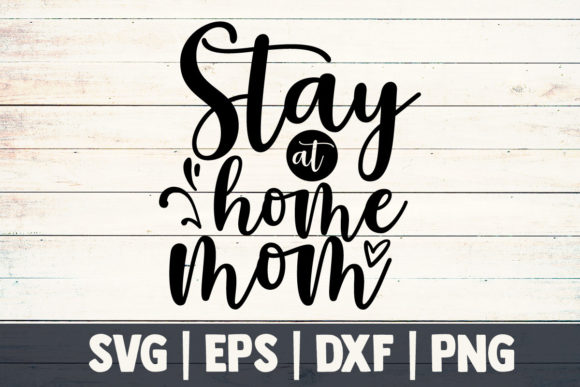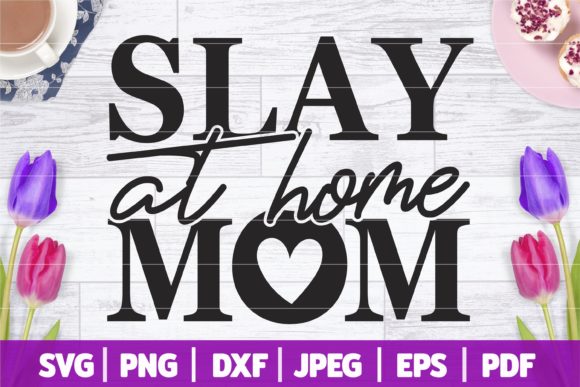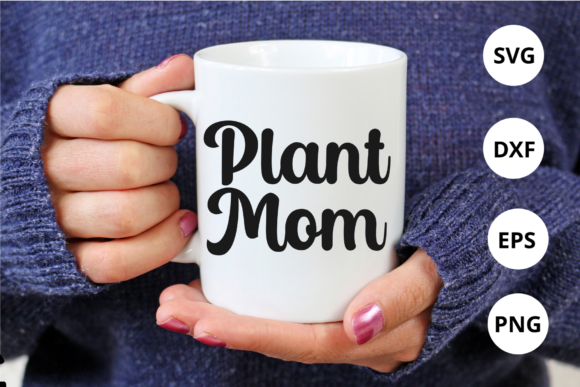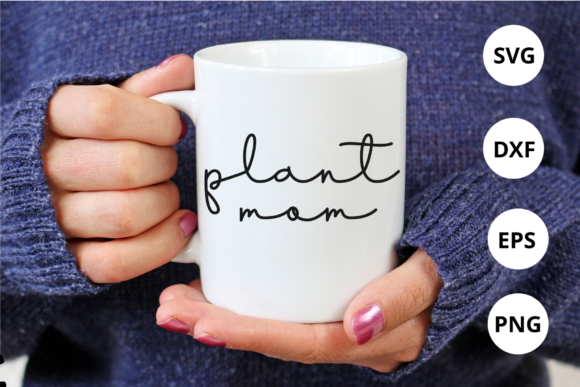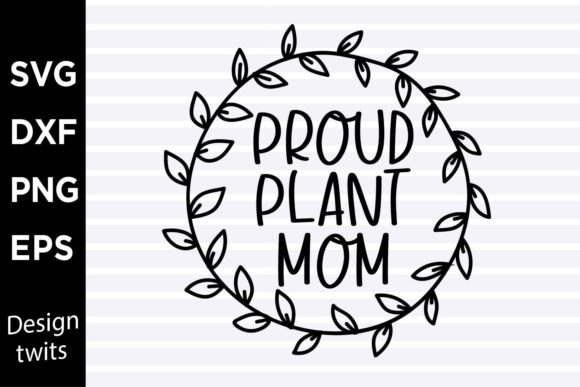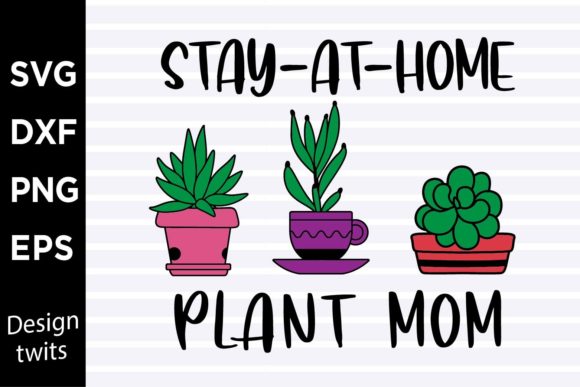
Stay at Home Plant Mom SVG Review
As a designer who spends more time behind an embroidery machine than a computer screen, I approach every new graphic with a healthy dose of skepticism. When I first opened the Stay at Home Plant Mom SVG, I wasn't looking for cute aesthetics alone; I was looking for stitchability. In the world of Crafts and digital Graphics, there is often a disconnect between what looks good on a monitor and what actually survives the needle. This design, however, immediately signaled that it understands the medium. The layout balances negative space with botanical elements in a way that suggests it was created with thread tension in mind, not just pixel density.
First Impressions: Botanical Balance and Stitch Logic
The mood of this design is undeniably cozy yet structured. For those of us creating custom apparel or home goods, "Plant Mom" themes can sometimes veer into chaotic clutter. This file avoids that trap. The typography is legible without being blocky, and the accompanying foliage feels organic rather than stamped on. From a technical standpoint, the separation of elements suggests it will digitize cleanly. Whether you are converting this into a machine embroidery design yourself or using it as a template for vinyl, the hierarchy is clear. The visual weight sits comfortably in the center, which is crucial when hooping garments where fabric distortion is a risk. It feels like a design meant to be lived with, not just looked at.
Real-World Application: The Canvas Tote Test
To truly evaluate this asset, I mentally placed it in a recent client scenario: a run of heavy-duty canvas tote bags for a local garden center’s membership drive. A tote bag design needs to withstand abrasion and maintain clarity against a textured weave. The Stay at Home Plant Mom SVG excels here because its lines are distinct enough to hold up against the nubby surface of natural cotton canvas.
If I were stitching this out, I would likely treat the larger leaf areas as an applique design opportunity rather than a full fill stitch. This reduces bulk and prevents the dreaded "bulletproof" patch effect that makes bags stiff and unappealing. The text portion, presumably intended for satin stitch or a clean running stitch, has enough spacing to prevent puckering on the bias. For my garden center client, this design communicates professionalism and warmth simultaneously. It elevates a simple promotional item into a desirable handmade product that members would actually want to carry to the farmer's market, thereby increasing brand visibility through genuine utility.
Navigating Fabric Variables and Hoop Constraints
While versatile, this design demands respect for material science. Not every embroidery project is created equal, and neither is every fabric. Here is where practical judgment comes into play:
- Stretchy Knits and Sweatshirts: If you are planning sweatshirt embroidery, the open nature of this design is a benefit, but stabilization is non-negotiable. Use a high-quality cut-away stabilizer to prevent the botanical elements from distorting the knit structure during washing.
- Small Hoop Sizes: Be cautious when resizing down for 4x4 hoops. Intricate leaf veins or serif fonts in the Stay at Home Plant Mom SVG may merge if scaled below 60%. Always check your stitch density after resizing to ensure registration marks still align.
- Textured and Dark Fabrics: On terry cloth towels or dark denim, contrast is king. You may need to add a white underlay or increase the column width of the lettering to ensure readability. A delicate line that sings on white poplin might disappear entirely on charcoal linen.
- Baby Items: For baby embroidery, safety and comfort are paramount. Ensure the back of the stitching is smooth. If the design is too dense, consider using it as a heat transfer vinyl application instead, or use a water-soluble topping to keep stitches from sinking into plush fabrics.
Commercial Viability for Makers and Sellers
For the Etsy seller or small business owner, time is money. This graphic serves as a reliable foundation for multiple revenue streams. Beyond physical goods, it works exceptionally well for printable mockup creation. Because the vector lines are clean, you can easily recolor elements to match seasonal trends—sage green for spring, terracotta for autumn—without losing definition. This flexibility allows for consistent branding across your shop.
However, a note on value perception: Customers trust sellers who understand their craft. Using this design effectively means avoiding common pitfalls like poor registration or thread breaks caused by improper digitizing. When executed correctly, the finished product signals quality. Whether it is a personalized gift for a housewarming or a staple in your boutique inventory, the design carries enough personality to justify a premium price point, provided the execution matches the digital promise.
Essential Pre-Stitch Checklist for Designers
Before you load this digital embroidery file into your machine or list it in your shop, run through these professional checks. Skipping them is the difference between a hobbyist result and a commercial-grade asset.
- Verify Licensing: Confirm whether your purchase includes commercial rights for finished products versus digital redistribution. Never assume; always read the specific terms attached to this design assets package.
- Test Stitch on Scrap: Never stitch directly onto a final garment first. Use a scrap of the exact fabric and stabilizer combination you intend to use. Check for gaps between outlines and fills.
- Audit Thread Colors: View the design in grayscale or black and white. If the contrast relies solely on color hue rather than value, it will fail on similar-toned fabrics. Adjust your thread colors palette accordingly.
- Check File Compatibility: While marketed as an SVG, ensure you have the correct conversion workflow for your specific machine format (PES, DST, JEF, etc.). Vector graphics do not automatically translate to stitch files without proper digitizing software.
- Evaluate Washability: If making tea towels or aprons, wash-test your sample. Botanical details can fray if the satin stitch width is too narrow or lacks adequate anchoring points.
Final Thoughts on Creative Execution
The Stay at Home Plant Mom SVG is more than just a trendy phrase; it is a functional design element that respects the limitations and strengths of textile decoration. It bridges the gap between digital artistry and tactile craftsmanship. For the craft business owner, it offers a safe yet stylish entry point into botanical merchandise. For the hobbyist, it provides a forgiving canvas to practice tension and placement.
Remember that the file is merely the blueprint. Your choice of stabilizer, thread weight, and fabric texture ultimately determines the success of the piece. Treat this graphic with the same attention to detail you would give a complex lace pattern, and it will reward you with professional, sellable results. Whether you are crafting a holiday embroidery gift or building a year-round collection, let practical testing guide your creative decisions. The best designs are those that look as good after fifty washes as they did fresh out of the hoop.